
the Charlie Prichard Interview
In the summer of 1981 when I was 19, I was listening to underground radio in Houston Texas (KPFT, Pacifica) and Roky Erickson was being interviewed for a show he was playing. The interviewers seemed to be in awe of Roky and Roky was so detached from the interview he seemed to be on another planet. They would ask him long detailed questions about the 13th Floor Elevators and his answers would all be after long pauses “yeah” or “could you repeat the question”. It got to the point where the interviewers started snickering and then they would play some 13th Floor Elevators and I was fascinated. I popped in a blank tape and recorded the rest of the interview and listened to these songs over and over, it was like finding the Holy Grail of 60’s psychedelic music and all right here in Texas. That fall I started attending the University of Texas in Austin and by then I was a 13th Floor Elevators fanatic having bought ‘The Psychedelic Sounds of…’ and ‘Easter Everywhere’. One day I was in the local cool record store “Inner Sanctum” probably looking for 13th Floor Elevators albums. There was only a couple of people in the store when I noticed this guy with long hair, acid bleached bell bottom jeans, barefooted, reading from the Bible out loud to no one in particular. I realized this was the Roky Erickson - it was one of the most far-out psychedelic experiences I’ve ever had, and my true introduction to Austin. Roky looked young and fit; to me he was a mythic figure from a far distant time but he was only about 33 years old. It was horrifyingly fascinating, I didn’t dare speak to him to break him out of his trance.
So anyway I started a psychedelic punk band called Tulum in 1985, the Spacepunk band ST37 in ‘87 and improvisation space band Book of Shadows in ‘99. In March of ‘05 my wife Sharon’s friend Smokey invited us to the “Instruments of Freedom”, a forum featuring local musicians including Roky. While we were sitting there waiting for things to start this guy stopped by and said hello to Smokey. I asked Smokey who he was and he said “oh, that’s Charlie Prichard, he used to play in the Conqueroo.” I’d seen this guy around town for years and had no idea he was a musician much less a member of the mythical Conqueroo. I’d seen their name for years, almost always in association with the 13th Floor Elevators, other than this I’d never seen any of their recordings or any information about them anywhere. So I thought I should interview Charlie Prichard for the Terrascope, an idea which was immediately and enthusiastically embraced by Phil, and here it is. – Carlton Crutcher
History and Dramatis Personae
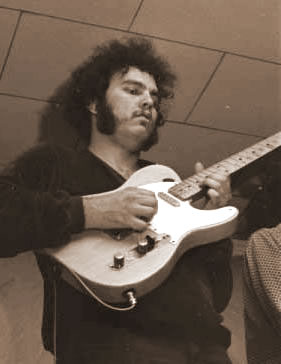
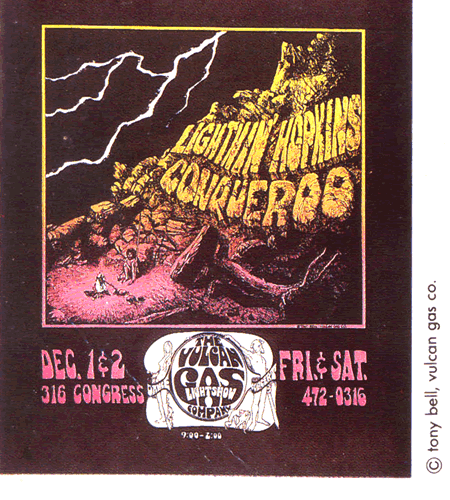
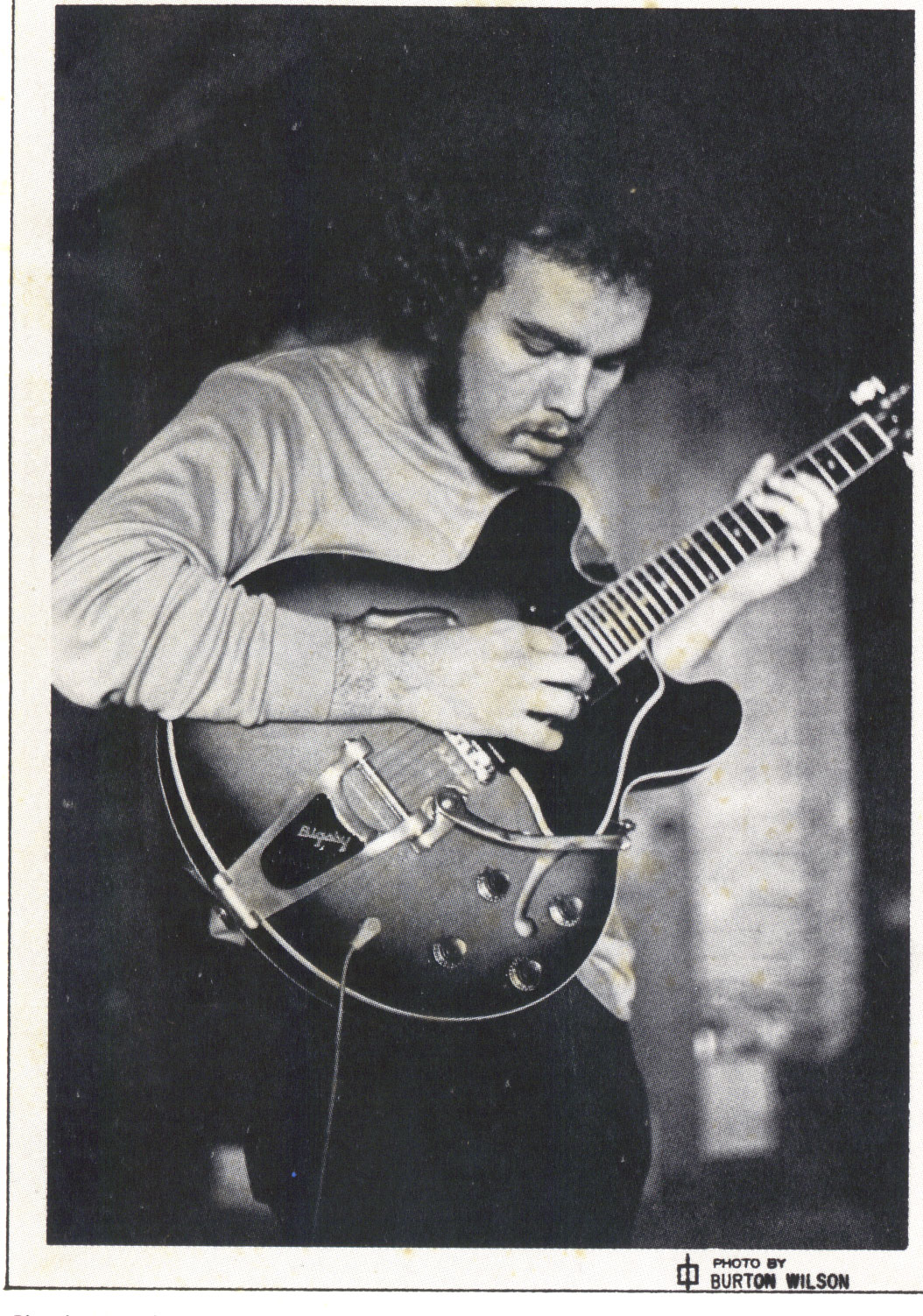
The Conqueroo line-up consisted of: Charlie Prichard (lead guitar, bass and vocals), Ed Guinn (bass, keyboards, woodwind, vocals), Tom Bright (drums), Bill Carr (vocals, harmonica) and Wally Stopher (rhythm guitar and keyboards). The band was initially led by singer/guitarist and songwriter Powell St John, however he left before the band took off and was replaced in October 1966 by rhythm guitarist and vocalist Bob Brown. Drummer Daryl Rutherford replaced Tom Bright for a series of recordings the Conqueroo made at the Vulcan in their home town of Austin, Texas in 1968; he in turn was subsequently replaced by Gerry Storm - and when the band recorded 4 songs at Pacific High Studios on San Francisco, drummer Alvin Sykes deputised.
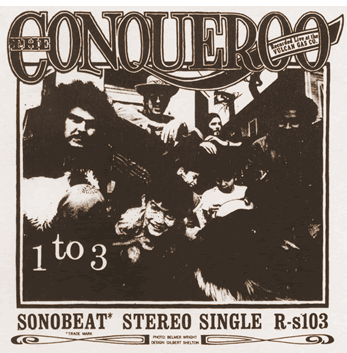
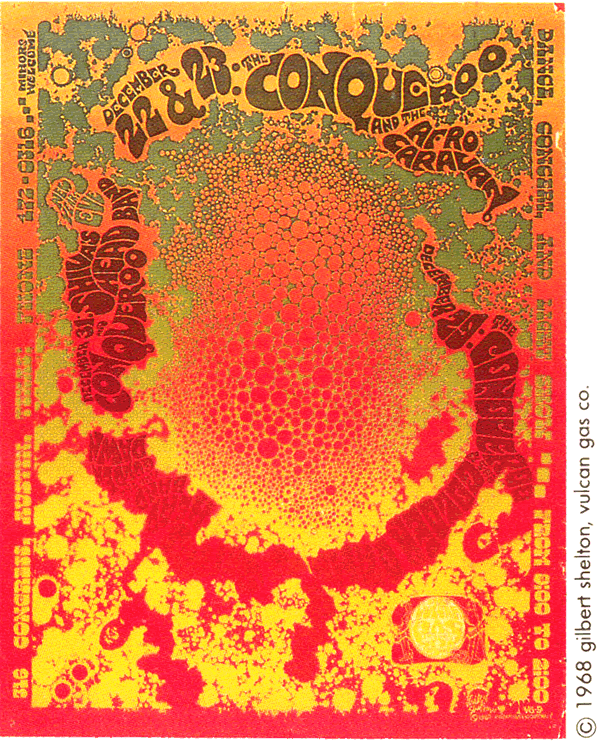
The band released one 45 on Bill Josey’s Sonobeat label, ‘1 to 3’ b/w ‘I’ve Got Time’. The record featured a full-colour picture sleeve designed by the legendary Gilbert Shelton. A compilation LP entitled ‘From The Vulcan Gas Company’ was released in England on the 5 Hours Back label (part of Pete Flanagan’s Zippo Records group) in 1987 which featured, in addition to ‘1 to 3’ and ‘I’ve Got Time’, four other songs recorded at the Vulcan at different times, and three of the 4 songs recorded in San Francisco. Members of the Conqueroo also feature on a Gilbert Shelton Ensemble 45 released on ESP Records in 1968, and can be heard jamming with the 13th Floor Elevators in 1967 on ‘She Lives’ (Texas Archive Recordings, 1985)
The interview took place March 26, 2005 at Mexico Lindo at 1816 South Lamar Blvd in Austin Texas. Present were Charlie Prichard (CP), Carlton Crutcher (CC) and Sharon Crutcher (SC).
|
1. “I’m a huge Elevators fan but I never see Conqueroo stuff around…” |
CC: I’m a huge Elevators fan but I never see Conqueroo stuff around. They released a Conqueroo single in England?
CP: No, that was an LP [‘Live from the Vulcan Gas Co’? (5 Hours Back TOCK008, 1987)] It was recorded at the Vulcan but it wasn’t a live performance.
CC: Well I guess we should go ahead and formally start the interview. Where are you from?
CP: San Antonio is where I grew up
CC: How did you become a musician?
CP I’d played music from an early age and I’d just always done it. My parents both could play a little. I’d lived next door to a music teacher when I was kid so I started playing the trumpet at six. I could read music by the time I could read words.
CC San Antonio, that’s where Doug Sahm is from too?
CP Yeah
CC What was your first band?
CP Probably a jug band in San Antonio called Tom Swift and His Electric Grandmother (Sound Tex 1964)
CC Wow what a name!
CP Yeah, we put out a single, the guy that was on there that you might have heard of was Michael Murphy, Michael Martin Murphy.
CC Really?
CP Yeah, he sang on one side of it
CC I bet that’s a collector’s item?
CP (laughing) Probably so, yeah
CC Would you just play locally? Would y’all come up here (to Austin) and play?
CP We didn’t play much, you know, mainly got together and did the record, did a few little gigs.
CC Were ya’ll teenagers in high school?
CP Actually it was after I was in high school. I didn’t play in bands in high school, I played in the marching band until I got tired of being made to march.
CC Right. So you put out the one single, played locally a bit then broke up?
CP Yeah, and then I did some folk music stuff in San Antonio, I was into that scene.
CC It was the early sixties? That was the big folk craze? ‘63, ‘64
CP Yeah
CC What year were you born?
CP ‘45
CC Did you do any recording in the folk days?
CP Not much, just playing
CC Did you have a fancy name for yourself then?
CP (laughing) No, no, I was just lucky to get to play
CC So you’re mainly a guitar player, right?
CP Yeah
CC Do you play lap steel or stuff like that?
CP Not so’s you’d notice. I used to wanna be a slide guitar player and I’d play slide on everything, you know, if I could get away with it, but not so much anymore. Although that seems to be what people notice.
CC Were you playing slide in the Conqueroo days?
CP Some, yeah; not so much with the Conqueroo but I was always playing bottle neck in those days. Some of my big influences were always slide players like Blind Willie Johnson (born in Texas 1902-1947) and Fred McDowell (Mississippi Fred McDowell 1904-1972) is the first guy I heard and said “hey, I can do that!” And he was so elemental, so forceful.
CC We would always cut off the longneck from a beer bottle and use those.
CP He played with a wrist pin from a diesel piston
CC That’d work
CP Yeah, some steel with some weight to it, y’know
CC Tell me how you spell your last name, it doesn’t have a t in it?
CP No, it’s like Richard with a p in front of it.
CC Is that French originally?
CP No, it’s probably Welsh, and I think we all used to be together. The Pritchards. Somehow there was a rift in the family and now they’re all jewellers and bankers, you know, Investment Counsellors. And the Prichards without the T are all hog farmers and coal miners.
CC (laughing) Right!
SC Who were your favourite musicians that influenced you?
CP Ray Charles, Pop Staples (Roebuck Pop Staples born 1915 in Winona Mississippi. Patriarch of the musical family, the Staples Singers) - and Blind Willie Johnson and Robert Johnson
SC So it’s predominantly blues stuff?
CP Well yeah, I guess so. I’m from San Antonio and we don’t have the sense down there to think of it as all separate. I played with Doug (Sahm) and stuff and he’s a perfect example of it. I mean we think we can play country and jazz and rock and blues and all that stuff.
CC So after your folk stint was it then on to Conqueroo?
CP Yeah, yeah
| 2. “Then I got busted with Doug Sahm’s band down in Corpus and dropped out of college” |
CC So you moved up to Austin to go to college?
CP I did. It didn’t work out, though I tried it several times. I did a couple of years at San Antonio College first, I started out in Engineering and mathematics lead me to Philosophy and then I became an American Studies major. .
CC You were playing in Doug Sahm’s band?
CP Actually I just went down to Corpus to hang out with them although I played later with Doug and we did recordings together.
CC Years later?
CP Yeah, yeah. They were just my friends at that point and I went down there to hang out with them. So “they” were waiting for us.
CC What year are we talking about, ‘66, ‘65?
CP Exactly, yeah.
CC What was his band called then?
CP The Sir Douglas Quintet
CC Did they already have their single out and all of that?
CP Yeah, and I think what happened was, we did a show at a TV station in San Antonio the day before. It was like the local version of American Bandstand or whatever, you know, and we were smoking pot behind the set. They said a bottle of bottle of shaving lotion busted open in Doug’s bag and they opened his bag and found this pot, but I never believed that. I think they just set us up.
CC Where were you, in San Antonio?
CP Well we were in San Antonio (Doug lived in San Antonio but the bust was in Corpus Christi. The TV show was in San Antonio) but it was a Federal thing so they were over the whole Southern District. And when Augie [Meyers] and Johnny [Perez] and I got to Corpus we knew that Doug would be staying in one of two hotels. And we went to the first one and checked and he wasn’t there and then they just pulled us over on the freeway, on the way to the second hotel without a reason. There was no probable cause but it cost a bunch and set us back.
CC Was the bust something that followed you around?
CP It was a set back at the time. I had my bags packed, I was going to San Francisco.
CC You were gonna go out there to get away from that?
CP No, I was gonna go out there because that’s where I wanted to be. I had sorta given up my house here in Austin. I had a house with Don Hyde, he was one of the original guys at the Vulcan Gas Company. Actually it was the old Lomax House, I don’t know how deep you wanna get into this stuff?
CC As much as you want to.
CP John Lomax, do you know who John Lomax was?
CC Yeah, he was the guy who recorded all the old time blues guys.
CP Yeah, right. He was the folklorist at U.T. (University of Texas) at the time. We’re talking about the late 40’s I’d say. But anyhow this house at 910 West 26th street was the old Lomax house. I was fixing to move out of that house and move straight to San Francisco, and then I got busted and then I had to stay a week or two at my parents house in San Antonio because they saw me on the Channel 12 news.
CC Y’all were on the news?
CP In Corpus Christi, yeah, with my sweater pulled up over my head shootin' the BIRD.
CC Wow, y’all were like Bonnie & Clyde or something.
CP (laughing) Hardly, I was a kid you know. Doug was too. And as it turned out instead of going, I mean we got really good lawyers and stuff. But the thing that got us off was our age really.
CC You were under age.
CP The judge was the first Mexican American Federal Judge. He was appointed by Kennedy and he was very strict. I don’t remember his name. We got our hair cut real short before we came in. He said, “I’m glad to see you boys cut off that long hair and stuff”. But the thing that got us off was our age. There was the young offenders act and the youthful offenders act. Doug was under 25 and I was under 21 and so we both got off on that, you know we had 5 years probation, or I did, I don’t know what Doug’s was. But luckily the Probation Officer in Corpus Christi wrote his Masters Thesis on why pot was better for you than alcohol or tobacco.
CC Wow, that was pretty progressive.
CP Yeah, and Doug got the guy in San Antonio that was the asshole of assholes and I got this guy in Corpus Christi. I said “Look, I may be fixing to go to England you know, I’m a musician you know, I can’t be coming in to see you all the time and shit. You know this is the first time I’ve been to Corpus Christi in 5 years”. He said, “Look you’re a free citizen, all you gotta do is write me a letter once a month. Y'know, tell me if ya got another job or whatever.” I said “Sure, I can do that”. So I would fire off a letter once a month saying “Hi, it’s me, I’m fine.” Then after a couple of years I said “Look 2 years is up, can I get off of this shit?” He said “Yeah, ok, fine.” So it wasn’t too bad but Doug had to deal with this asshole in San Antonio, they took his phone.
CC His what?!
CP They disconnected his phone from his house. They said it was because of “Mr. Sahm’s problem”
SC Did you end up going down to San Francisco and living for a while?
CP San Francisco? Oh yeah. Powell St John used to just get on the bus and ride all day in San Francisco. Get on the bus, sit there with his little book and write weird shit out like Powell writes now. You know, what a brilliant guy. The other guy that used to do that was Richard Brautigan. They’d run into each other on the bus.
CC Is Powell St John still around?
CP Yeah, he was around last week. They just recorded an album.
CC Really, did you play on it?
CP No, I don’t even deserve to be mentioned in the same paragraph with Powell.
CC Really?
CP He’s a brilliant, brilliant guy. He’s just one of the most creative people I’ve ever met in my life. He’s a songwriter, he’s an illustrator. When I first knew Powell he was doing these things, 4 feet by 3 feet of little ballpoint pen illustrations that the nearest thing I can think of is like Hieronymous Bosch or something. Illustration of hell and purgatory or whatever. Little red, green and blue ballpoint pen highly detailed drawings. He lived in this house over on 45th street back in the ‘60s. He had this house that was surrounded by tons and tons of little weird cactus plants that he cultivated. I don’t even know how to begin to explain Powell, he’s such a creative force.
CC What I know about him is that he wrote those songs for the Elevators and he was part of the Ghetto crowd and that he was in Mother Earth - and that’s about all I know about him. I don’t know anything he’s done since then.
CP The Conqueroo was originally St John and the Conqueroo. I don’t know if you’re familiar with the legend of High John the Conqueror but it was a pun on that. High John the Conqueror or the Conqueroo in black American folklore, the guy that fixed it up so no snakes ever bit any black people until after the Emancipation Proclamation. He’s the guy that walked on the masters table, kickin' down doors.
CC Is it based on a real person, or is it mythology?
CP It’s mythology, and like most mythology I’m sure it’s based in fact to some degree. Actually there was a little jug band with Powell and Tary that I stole the name from.
CC Tary Owens?
CP Right. Tary was one of my oldest best friends. When I moved to Austin in like ‘65 my friends Mark Weakley and Bill Holloway, who were both San Antonio guys, musicians that I was blessed to get to play with at that time. I met Tary and he was the Folklore archivist at the University of Texas. He was going around in the country recording both black and white both singers and players and story tellers and stuff, and I got to do a lot of that with him, go out and do some of those field recordings. We had several bands together over the years, but anyway the Conqueroo was sort of Tary’s idea for a name. (St John and the Conqueroo)
CC Really?
CP Yeah, which I appropriated, because he and Powell had a little sorta two man folk act. Then they quit doing that. I got drunk one night and booked some gigs and…
CC Needed a name for the band?
CP Well, I had Powell and got Ed Guinn to say he’d do it, you know, and we needed a drummer and there was one next door.
CC Was Ed a bass player?
CP No, Ed was basically a clarinet player at that time.
CC Did he play bass in the band?
CP Yeah he played bass in the Conqueroo (and keys) you know sorta, “ok, you’re the bass player”
CC That’s how most bands get started, as kind of a lark!
SC There is a herb that is called High John the Conqueror
CP Yeah, it’s a root, one of those man shaped roots like a ginseng or something [Mandrake, possibly – Ed]. Did you ever hear the Muddy Waters song about the “My John the Conqueror Root”?
SC No, I haven’t.
CP (singing) “I was accused of murder in the first degree and the judge’s wife was cryin' let the man go free cause I was rubbin' my root, ain’t nothing she can do when I’m rubbin' my John the Conqueror root.”
 CC
So ya’ll were into that when you named the band?
CC
So ya’ll were into that when you named the band?
CP Yeah, yeah we were into different things between us y'know. Ed was classically trained, he was in the music program at U.T. and ridin’ his little motor scooter around through all the non-motorized vehicles parts of U.T. They called him “Super Spade” at the time.
CC Was he half black?
CP Yeah, I met his grandmother. She was this beautiful little Mexican lady down in San Antonio. Living right there in the shadow of the Hemisphere Arena there. Then we got Bob Brown in the band 6 months down the road.
CC He was the guitar player?
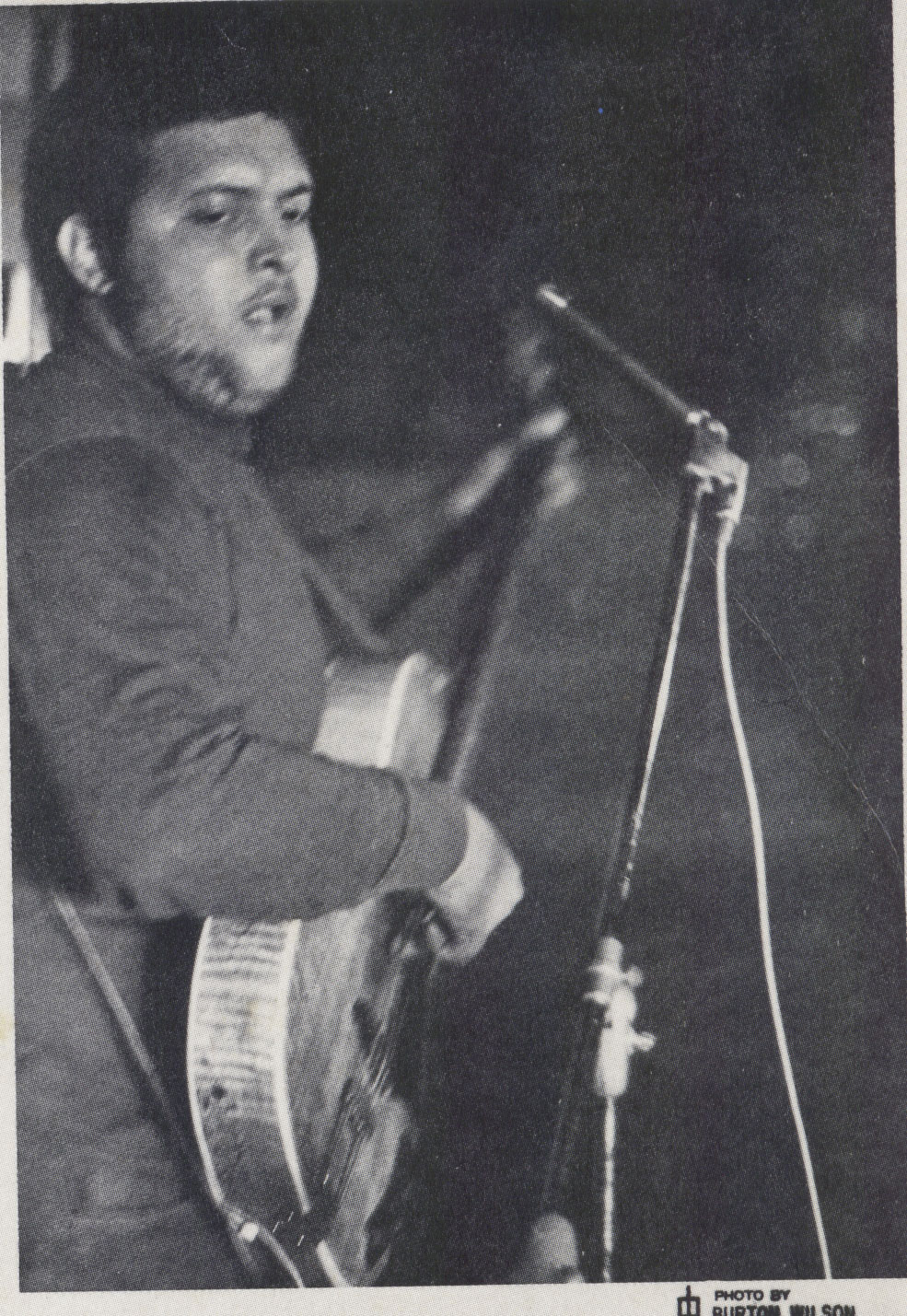
CP Yeah, he was the rhythm guitar, he was a brilliant songwriter; still is.
Photo: Ed Guinn pictured in February 1967
CC I came across a Sonobeat website. They had a little clip of each side of the single, only 15 or 20 seconds, but I listened to it and the single sounds great. They had some kind of recording set up at Vulcan?
CP Yeah, right.
| 3. “I always thought it [the single] sounded like it was recorded in a fucking fishbowl or something” |
CC But man it had such a “cool” full sound, you know! My main impression was that “wow, if the Conqueroo had recorded a whole LP of that same session it really would have been a classic.”
CP That’s nice of you to say that. I always thought it sounded like it was recorded in a fucking fishbowl or something. That room had, uh, unfortunate sonic characteristics shall we say. I mean Johnny Winter recorded his first album there, same people. That was the coolest band and it benefited from all that “natural reverb” that occurred in there. Johnny was such a monster, man!
CC I’ve always wanted to find that album (“Progressive Blues Experiment”), I’m a big Stevie Ray (Vaughn) fan also and I see that as Texas blues; psychedelic blues at it’s best; Johnny Winter.
CP Both those guys, I’m lucky to have been really close to both those people. We first met Johnny, once again don’t ask me what year it was, but we went to Denver. Chet Helms had this idea that San Francisco was going to fall into the ocean, which it may well at any moment you know, and that Denver was…
CC Going to be the new coast?
CP Yeah exactly, yeah. So they opened the Family Dog in Denver. We went out there and played a couple of weeks I think.
CC Is that when the Charlatans relocated out there?
CP The Charlatans? That’s Dan Hicks and those guys. They were from San Francisco, I don’t know them. I can’t remember the exact sequence of who we played with buy anyhow Johnny Winter came out there. Maybe we played a week and he came there with his band “Winter” which was him and Uncle John Turner and Tommy Shannon. And he completely fried my mind. I mean, he had all these amps that were strung together, like Fender and Leslies. He and I stayed up and played like well past dawn in there, you know, just the two of us on stage playing guitars, and I’m sure it was horrible.
CC Let’s get the chronology straight. Did y’all start the Conqueroo before you went out to San Francisco, or?
CP Oh yeah, oh yeah. We were students, I use the term loosely.
CC So the band, it started around what ‘65 ‘66 or just vaguely…
CP I’m thinking that you know, yeah ‘65.
CC And when you went to San Francisco did the whole band go out? Or a version of the band?
CP Yeah, the band as it were at the time, which was me and Bob and Ed
CC Was Powell still in the band?
CP No, Powell was already with Mother Earth, I think, in San Francisco at that time. Powell and I have had, I forget how many bands together, let me say three or four. Probably more than that.
CC So, when the Conqueroo went to San Francisco, tell me what San Francisco was like for you guys. Was it like just totally awesome or was it hard times?
CP Well, I mean we were poor but we had a place to alight. We had a big ol’ house on Portrero Hill. Which I lasted one or two nights at. I think one night. But I mean it wasn’t just like driving into town and not knowing anybody, but we didn’t really have anything going for us except we knew some people at the Avalon and the Ripoff Press.
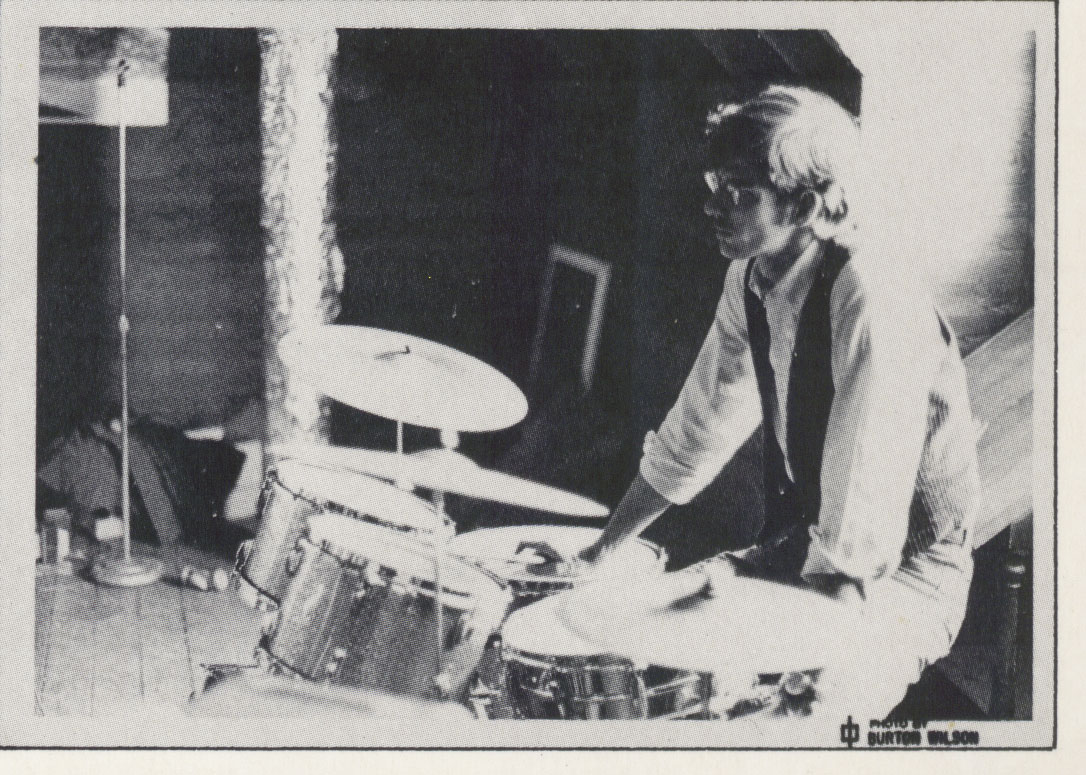
Photo: Darryl Rutherford pictured recording at the Vulcan, February 1967
CC Had y’all already done the single by then?
CP I think so.
CC So they probably had the single out there. At least whoever who was into that sort of thing.
CP Well, yeah. I mean there may have been someone out there, but it wasn’t like it was all over the place or anything. But we proceeded to rehearse ourselves to death, y’know, we didn’t play that many gigs but boy did we rehearse! We had a history of breaking a drummer’s brain about once every six months; we had a whole lotta drummers.
CC So how long were you in San Francisco?
CP About seven years, I don’t know. I started playing with Doug again out there. Doing session work for Mercury Records. That was Doug’s label at the time. We started doing Little Junior Parker records (‘Honey Dripping Soul’, I played guitar – Doug played guitar too), played on some of Doug’s stuff. And then Ed & Bob eventually moved back to Austin and started calling themselves the Conqueroo again, and they had a band, some really good players.
CC When they came back they continued with the band without you?
CP Uh huh, and then they became Texoid. They called it Conqueroo for a while and it sorta evolved into a band called Texoid.
CC I read that after the Conqueroo Sonobeat single that some of the guys got together for another Sonobeat single.
CP Oh? That’s probably it. Oh, well there was also this thing that I wasn’t involved in, that for some reason they called the Conqueroo which is half the Conqueroo. I mean it’s Ed and Bob and Minor Wilson and some other guys that’s some sorta acoustic stuff I think primarily that they did down in Houston at the place the Elevators recorded.
CC When you were in San Francisco, I’m taking that this is probably late ‘66 early ‘67?
CP No, no no it was ‘68 when I moved to San Francisco. We were there in ‘68. One of the first things we played was in Golden Gate Park, somebody told me the other day they got a tape or something of us playing in Golden Gate Park.
| 4. “We were a fuckin’ garage band basically.” |
CC Wow, that would be awesome to hear that. So when y’all went to San Francisco that was kinda after the period where you’d already had like been opening for the Elevators around Austin all the time? Right?
CP Yeah. The first show we put on in Austin before we had our own club, The Vulcan Gas Company, and everything was over at Doris Miller Auditorium with us (Conqueroo) and the Elevators… I said “we”, I’m talking about Houston White, Henry Carr and Gary Scanlon, the guys who eventually opened up the Vulcan Gas Company. They were the people who made it possible for us to play music and act like we knew what we were doing. We were a fuckin’ garage band basically.
CC Right
CP Which the Elevators weren’t. They were the Lingsmen plus Roky from the Spades and Tommy on jug. They’d been making a very good living playin’ down on the Texas beaches. They were like a surf band; not a surf band but they were the hip dog band from a previous era or whatever, y’know. They were accomplished professional musicians and we were a bunch of college hippies who wanted to be a band.
CC So when you played with
the Elevators here in town would you play before them or after them? The
headliners used to play first, right? 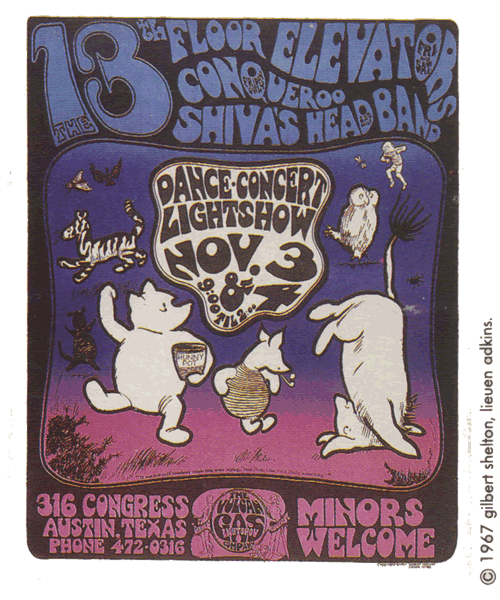
CP Not that I recall. There may have been some show where they played first.
CC As for as the Elevators locally you guys would be the opening band usually, I mean when you would play with the Elevators?
CP Yeah, sure, and then we might get to jam some together.
CC Let me back track a little bit. How would you describe the Conqueroo sound? What kind of sound were you going for, were y’all even conscious of going for a sound or were you just doing what you do?
CP Oh, we were just playing around trying to find something. Ed had more catholic, not in the religious sense, but y'know, universal tastes. We wanted to sound like Black Orpheus, we wanted to sound like Stockhausen. You know, in our fuckin’ puffed up pomposity. I wanted to sound, like I said, like Blind Willie Johnson. When I was 20 years old I consciously felt, well maybe I can sound like that by the time I’m 40. When I was 40 I revised it to 60. Well this year I’ll be 60. I’m still workin’ on Blind Willie Johnson.
CC Conqueroo were more blues oriented and not really going for the pop thing, right?
CP Well Ed and Bob and I were sort of the driving forces, y’know. I wanted to be black and he wanted to be well educated or whatever…
CC Did Bob, the other guitar player write most of the songs?
CP He wrote a lot of them, and we did a lot of covers of stuff I brought in.
CC Is he (Bob Brown) still around?
CP Bob’s back in town. I’m thinking he’s a Cable TV Executive or something like that.
CC Have y’all ever done any Conqueroo reunion gigs?
CP No, people keep talking about that but uh…
CC Is everybody still available?
CP Well, I’m obviously available. I play guitar with anybody that doesn’t stop me pretty much, and Bob I think would be amenable to it - and Ed doesn’t want anything to do with getting up on stage and making further fools of ourselves.
CC So back to Conqueroo San Francisco ’68. You opened for Howlin’ Wolf. What other memorable gigs did y’all do around that time?
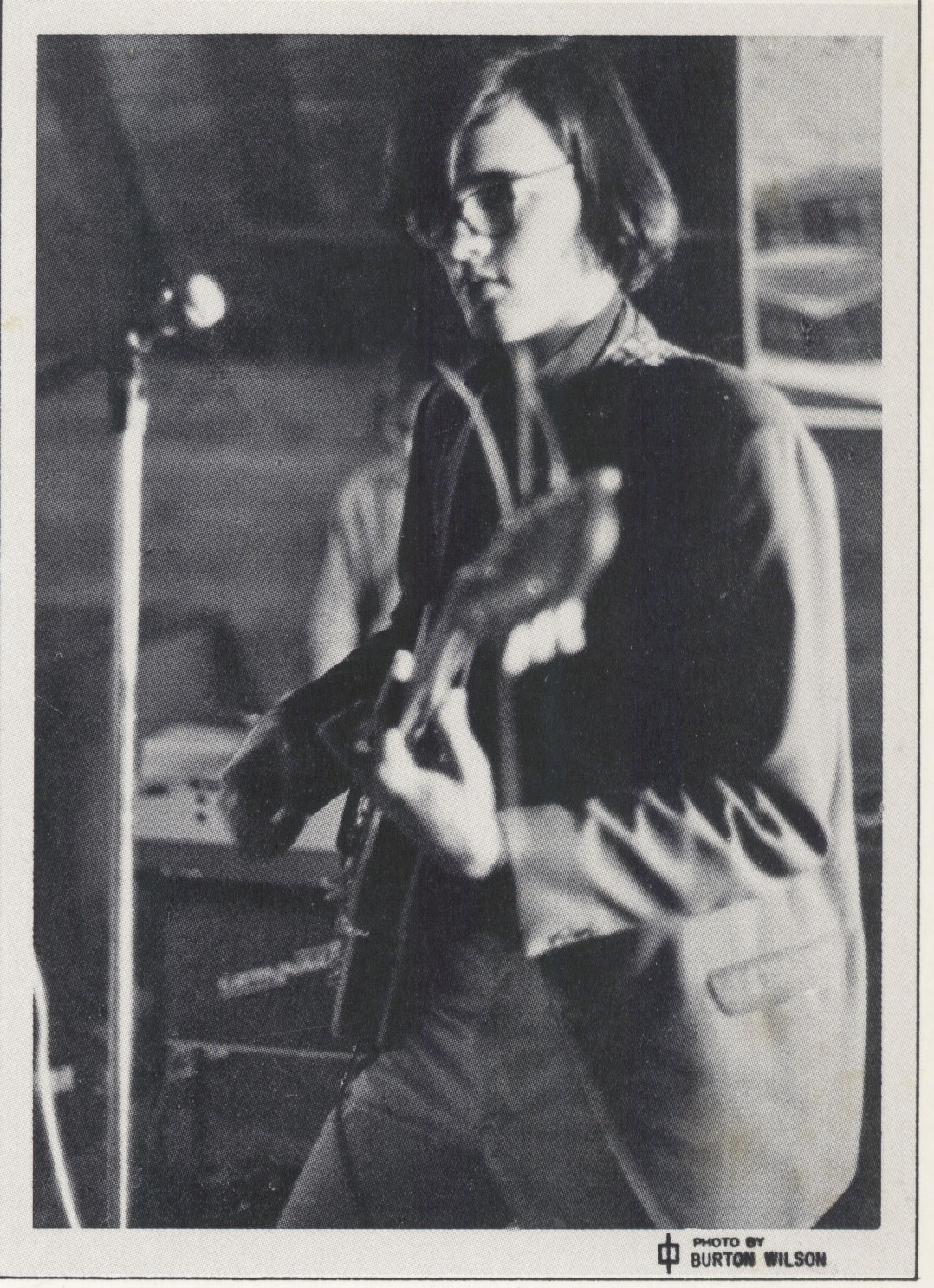
Photo: Bob Brown, February 1967
CP Oh shit man, I played with Mance Lipscomb at the Avalon.
CC You played in the band, not opening for him?
CP Yeah. Powell St John was in that band too - and George Rains
CC Really, wow that’s cool. How long did you guys stay out there?
CP I stayed out there longer than the rest of them. I stayed out there like 7 years.
CC Oh really?
CP Yeah, well not just San Francisco but San Francisco and then I moved to Berkeley and then Fairfax then Mendocino. I had another band with Tary and Powell called St John and the Angel Band. The Hells Angels came to see us and said they liked the band a lot but thought it would be good if we changed the name (laughter). So we changed it to Free Chicken. “Yeah, right away, no problem!”
CC Free Chicken?
CP Yeah, the song that Gilbert Shelton wrote and the Hub City Movers recorded. We gave away free chicken at the first gig we played at. (laughter) Then I joined this band Cat Mother which is where Jimi Hendrix comes in.
CC I have that album, Cat Mother’s ‘The Street Giveth and the Street Taketh Away’
CP Oh yeah that’s the one Jimi Hendrix co-produced it with them, it’s the only thing he ever produced as far as I know. It was their first album, they were just finishing up their second album when I met them. They’d moved out to California and were lookin' for a guitar player. So I came and brought my Little Champ amp and then a few weeks later got the call to do the Atlanta Pop Festival. You know, five hundred thousand people!
CC I have a video of Jimi Hendrix from that… So you joined Cat Mother and that was while they were recording their second album, so you played on that second album?
CP No, I played on the third album. They were just finishing the second album when I met them. I played on the third and helped them get the music together for the fourth but they were going back to New York. They were taking a school bus and were all going to stay on the Bowery in New York, because of this tie with Michael Jeffrey who was Jimi Hendrix’ manager.
CC Right
CP You know I just said “no I’m not going to New York.” We picked up this guitar player in England, Charlie Harcourt, who was a great guitar player, a great guy. Geordie lad, from Newcastle way. So they had a good guitar player so I just said “this is where I get off” And they went back to record their fourth album.
CC What was that third album called, do you remember?
CP I think it may have been called just Cat Mother.
CC They shortened their name to just Cat Mother?
CP Yeah, when they moved from New York they dropped “the Allnight Newsboys”. I think the first one was called “the street giveth and the street taketh away” the second one was called “Albion Doowa” I believe.
| 5. “We toured opening for Hendrix, we were the opening band.” |
CC So when you joined the band, is that when you went down and played that Atlanta Pop Festival?
CP Yeah. We actually toured opening for Hendrix, we were the opening band.
CC Wow, was that one of his last US tours? Must have been. Did you get to hang out with Jimi? What was he like?
CP He was a sweet guy.
SC A real spiritual person wasn’t he?
CP Yeah. I used to see Jimi Hendrix, back on TV in Austin in the ‘60s there was this show called Night Train on TV that was either out of Nashville or Knoxville I can’t remember. It was like a black R&B show. It was on at midnight, Friday nights. It was sponsored by the Victory Grill and the Sweet One Hour Cleaners and they’d have like Bobby Bland and Bobby Bland imitator or Jackie Wilson and the Jackie Wilson imitator all on the same show. Had this guy called Ironing Board Sam, and they had Little Richard’s Band and this was when Little Richard was with God you know. And there was this guy on the end and we’d go “oh man look it looks like a Black Bob Dylan.” And it was Jimi Hendrix sitting there playin' guitar and he’d throw his guitar up and it’d go do two or three flips in the air.
CC That footage would be worth a gazillion dollars now! Wow, it’s amazing. Opening for Hendrix must have been a trip.
CP You know he’s from Seattle?
CC Uh huh
CP So we went back there and played at this baseball field called Sicks Stadium. It was Cactus, which was some guys from Vanilla Fudge I think, playing first. We were supposed to go on next and then Jimi. But it was raining and we were on this big stage at a baseball stadium and “we ain’t going out there and playing in the rain.” You know playing electric instruments. But Jimi kinda had to play. I mean his dad was there and everything so he got out there and played and there were guys holding up tarps over his head while he played and the rain was in the tarps. Ya know it was really weird. (laughter) Talk about psychedelic - that was a psychedelic scene.
CC What did you think of Hendrix’s music and what did you think of those gigs?
CP Oh, what a treat, getting to hear him play. It was an education and I shoulda gotten more from it than I did, but I sure got a lot you know.
CC So you recorded that album with Cat Mother and then you said you worked a little bit on the next one, or putting the songs together that were going to be the next one?
CP Yeah, yeah.
CC Then you quit?
CP Well, when it came time to record it like I said I just couldn’t face another bus trip across country, “you know they have really excellent recording machines out here on the West Coast now fellas.” Plus I had this little R&B band to be busy with down in Santa Cruz with Jerry Miller the guy from Moby Grape.
CC Oh really? I’m a big Moby Grape fan.
CP I don’t know the rest of the guys but Jerry Miller… he’s a great guy. He was probably the most serious musician in the band.
CC What was this band called?
CP Uh, it was me and Jerry Miller and this guy Lloyd Morris and some guys from a band called Oganookie including Isaac Stern’s nephew. You know who Isaac Stern is? The classical violinist. It was called “The New Shreveport Homewreckers” for awhile and then when I left they started calling them “Santa Cruz Blues Jews” (laughter) Which is… seemed like a good idea. But ah we played a lot around Santa Cruz Hills ya know in that area.
CC And that was after the Moby Grape kinda had run it’s course?
CP Yeah, whatever they did. I mean they played at the Vulcan I think? I didn’t get to hear them, I think I was already gone.
CC Let me back track a little bit. What was your take on Tommy Hall? I mean did you know him very well?
CP Yeah.
CC I kinda get the impression he was a little bit older than the rest of the guys?
CP Well, when I met Roky he was 17 and I was 19 and I felt a lot older than Roky. Tommy might have been a year or two older than I was but I thought of him as a contemporary you know. I mean Roky was…
CC A kid.
CP Yeah. And I thought “here’s a 17 year guy that knows the difference between Blind Willie Johnson and Blind Willie McTell and he can talk to you intelligently about this stuff” y'know. Plus Roky’s personality, I mean he was so real and so genuinely interested in you. It’s a lesson that I learned from Roky that I still haven’t learned. You came to Roky’s gigs you know when he was playing with the Spades up at the Jade Room or something he’d come around to your table and be genuinely interested in meeting you, you know, and really thank you for coming out and hearing his band. He’s just such a beautiful, beautiful person.
CC How was Tommy Hall different than that?
CP Tommy was very different, he was a beautiful person in his own way. Tommy was real into esoterica y’know?
CC The impression I got was that he was a little older than the rest of the guys and he kinda influenced them a bit as their direction or their lyrics or whatever.
CP Oh yeah, he was the Cagliostro of the group.
CC And then I kinda got the impression that he’d totally lost his marbles maybe even more than Roky had, but when I read an interview with Tommy in the Chronicle recently it was like; granted the guy was kinda coming from far left field but he actually made sense. I was impressed that he stuck to his guns and was still into his thing y'know?
CP Yeah, I haven’t seen Tommy for so long, I’d love to see him, he might not remember me.
CC He seemed like he was really the brains behind the Elevators just in the fact that he wrote most of those lyrics or a lot of them.
CP Tommy and Roky had this little house over on 5th street that I moved into after they left. Michael Erickson and I moved in eventually.
CC Is that one of Roky’s brothers?
CP Yeah and they’d sit there all day and Roky would play songs on the guitar, not songs, riffs. Did you see Roky play at the Threadgills the other day?
SC No no, how was it?
CP It was SO! good. Oh it was so good (banging table)
CC To me it’s so awesome that he’s back!
CP Oh, it was just wonderful man! But anyhow they’d sit there and Roky would play guitar all day and Tommy would go, “that one right there, remember that, do what you just did again”. That’s how they sorta made some of these songs.
| 6. “I counted up the other day, I’m in 12 or 13 bands.” |
SC Do you have a band now?
CP I counted up the other day, I’m in 12 or 13 bands. (laughter)
SC Typical Austinite right?
CP I play with anybody that doesn’t stop me. I’ve been getting to play with my buddy Carolyn Wonderland a lot.
SC She’s an awesome guitar player.
CC As far as your career goes, we kinda stopped off in the late 70’s after you came back to Austin.
CP Yeah, their was a big hiatus there. I went back to school for a while.
CC Really?
CP Yeah, and I got into illustration and sculpture.
CC Where you pretty good buddies with Gilbert Shelton?
CP Oh, from the jump, yeah.
CC Was he a San Antonio guy also?
CP No, but when I came to Austin in ‘65 or whatever I met Gilbert Shelton, Lewin Adkins and Tony Bell, Joe Brown and all those guys. The Ranger Family and the Conqueroo and Vulcan Gas Company.
CC When the Vulcan Video started up in the early or mid 80s, you used to work there right or do you still work there?
CP I worked there for 9 years. Don’t ask me which 9 they were, but I did.
CC What’s the connection between Vulcan Video and Vulcan Gas Co?
CP It’s all the same family. The owner of Vulcan Video is Dian who’s Houston White’s wife. Houston’s probably the guy who you should be talkin’ to about this instead of me. I mean he’s the guy that made everything happen. The booking was so hip. They’d get Big Joe Williams, they’d get Big Mama Thornton, they’d get Fats Domino, they’d get Muddy Waters, Jimmy Reed.
CC But then they would also get the big time bands like the Jefferson Airplane coming through there, right?
CP Right, they’d get Canned Heat, they’d get Johnny Winter you know - but they’d get people like the guys I just mentioned. Many people here didn’t know who they were but they oughta, you know.
CC What was the community’s take on what ya’ll were doing at the Vulcan?
CP Oh, we should be stamped out, absolutely. We were dangerous!
CC The Vulcan went to about ‘70 or so?
CP I was gone in ‘68.
CC Looking back on it, do you think bands like the Conqueroo and the Elevators really influenced the whole San Francisco psychedelic sound?
CP Well it’s sorta contemporary with all that, you know, I mean it’s the same thing happenin’ at the same time in some ways. We didn’t lead them in any way, but the Elevators were probably better than all that shit and all our shit put together, ‘cause Tommy took a really popular band from a local regional area and the best part from a local band from this area and put it together with something overlaying, you know a leitmotif that was not in either of those bands, and made something special. You know how cool the Elevators are.
CC Yeah, the Elevators were the shit. Oh I just thought of something I have to ask you about. What was your relationship with…
CP I NEVER TOUCHED HER!!! (laughter) With who?
CC Mayo Thompson and the Red Crayola crowd.
CP Oh Mayo, I never knew Mayo. My friend Jerry Lightfoot knew Mayo but I always liked them cause they prided themselves on never being asked to play the same place twice. (laughter)
CC Yeah, you know to me they’re such a fascinating band. They got asked to do these Folk Festivals in ‘67 and they’re playing these Folk Festivals and their doing like total electronic sound it’s so experimental and so cutting edge for ‘67.
CP They were highly inappropriate every place they played. Jerry told me about one gig they did, I think it was like a supermarket opening or something I don’t know, but it consisted of Mayo getting guys on their Harleys to ride up on stage and gun their engines (laughter) for great long periods of time.
CC I’m sure that went over well. (laughter)
CP I’m sure it was well received. But they were on IA (International Artists).
CC But you guys never were on IA?
CP I never was, I don’t know about that little Texoid side project the others did.
CC And finally, this Conqueroo LP we mentioned at the beginning - it was all from the same sessions as the single?
CP You’re pushing me, man, but probably. It was done at the Vulcan Gas Company but it wasn’t before a live audience. [Ed’s note: see above - the album credits 3 songs as having been recorded at Pacific High studios in San Francisco in 1968)
Charlie Prichard Interview by Carlton Crutcher (email: ST37@EV1.net ), with grateful thanks to all concerned in particular Simon Lewis for co-ordinating it and especiallyTracy Sienkiewicz for the transcription. Edited by Phil McMullen for the Terrascope, © terrascope_online January 2006
Sonobeat Records Conqueroo pages:
www.sonobeatrecords.com/conqueroo.html